Single-Cell and Single-Nucleus RNA-seq Experiments
Here you can interactively explore single-cell sequencing data sets generated in our lab and find links to the original publications and data.
Explore data setsHere you can interactively explore single-cell sequencing data sets generated in our lab and find links to the original publications and data.
Explore data setsMereu E, Balboa D, Liebig J, Gonzalez-Herrero A, Martinez-Casals A et al. 2026 Cell Metabolism
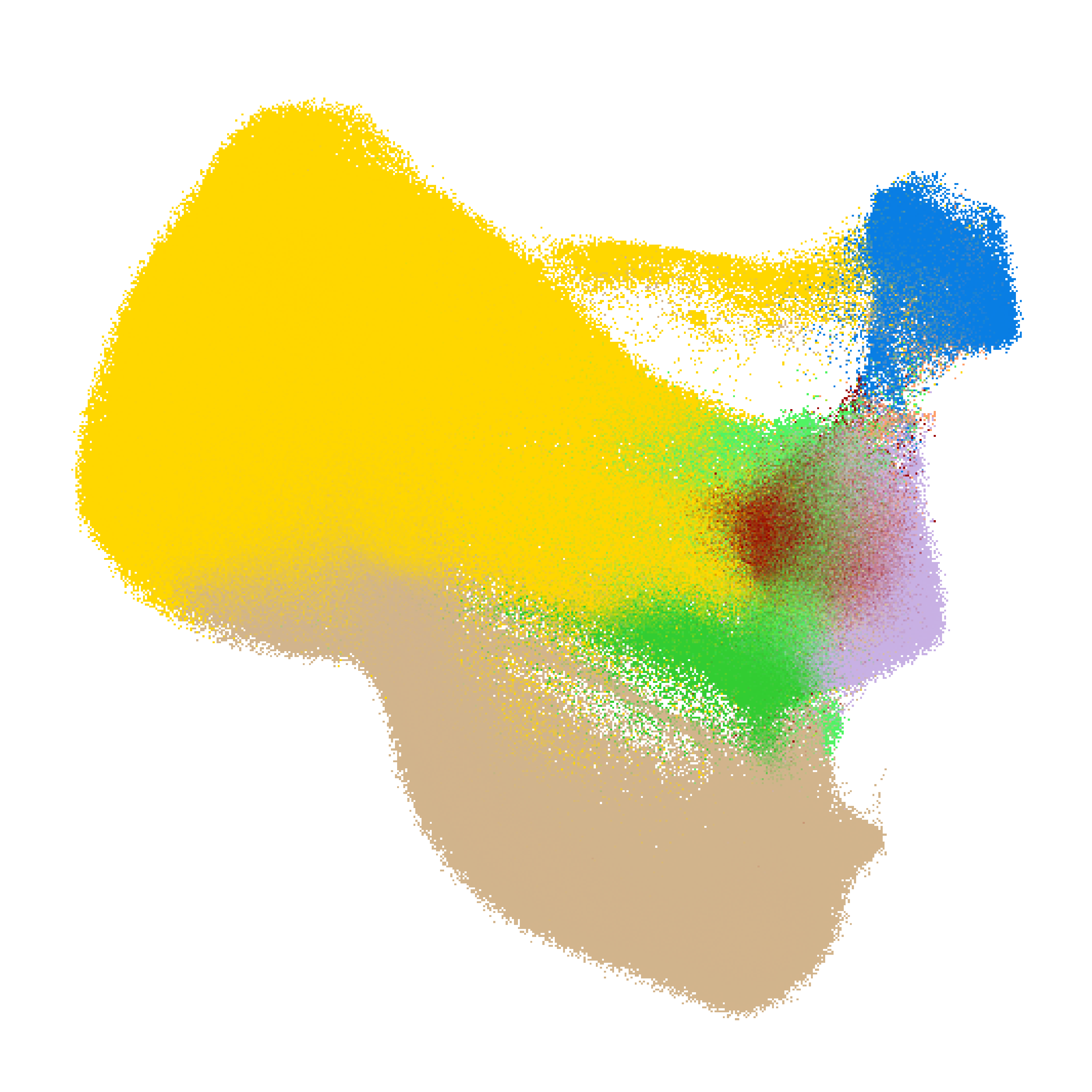
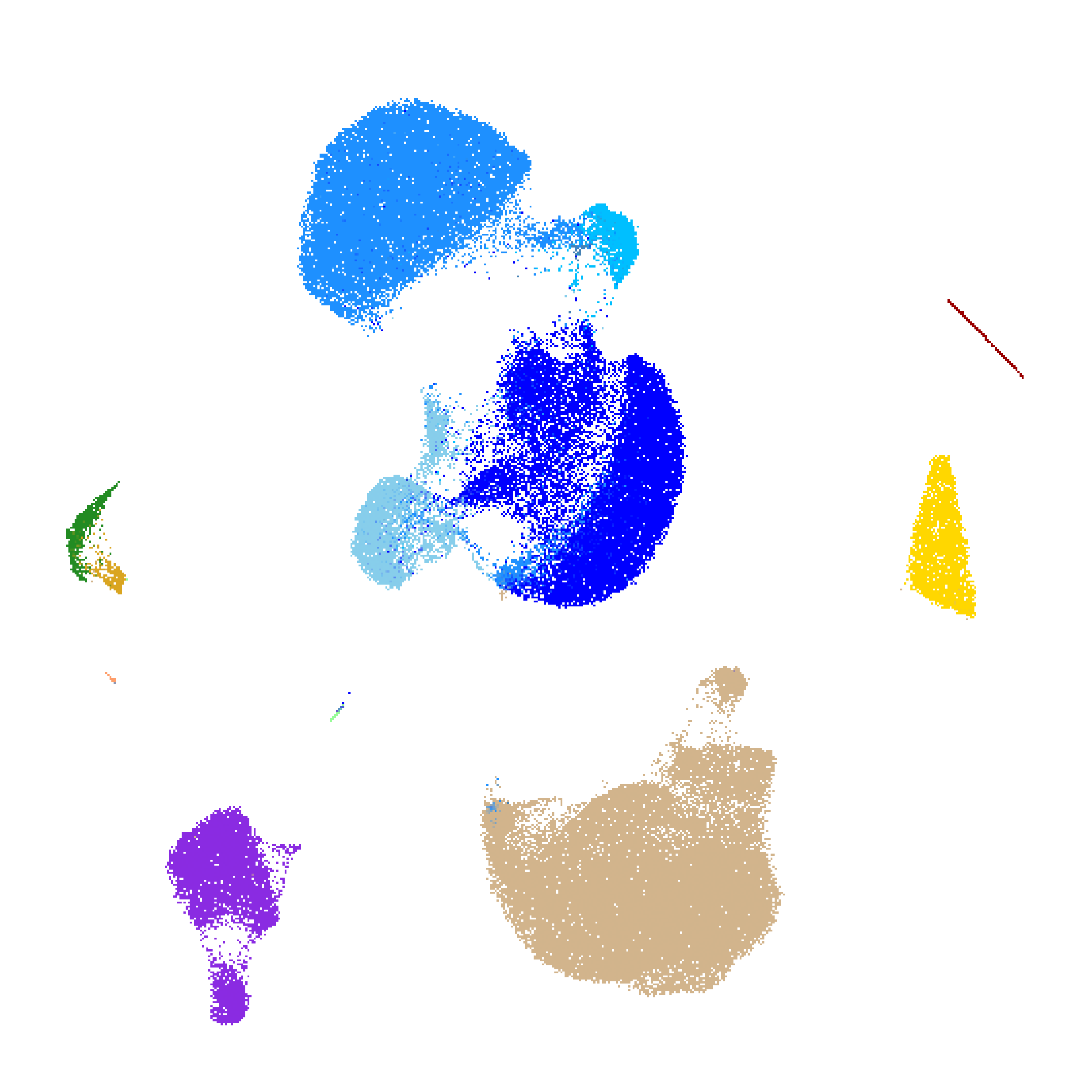
The pancreas plays a central role in major human diseases, yet our understanding of its cellular diversity and plasticity remains incomplete. Here, we present a single-cell multiomics atlas of the human pancreas, profiling over four million cells and nuclei from 57 donors across fetal development, adult homeostasis, and type 2 diabetes (T2D). Integrating single-cell RNA sequencing (scRNA-seq)/single-nucleus RNA sequencing (snRNA-seq), snATAC-seq, VASA-seq, spatial transcriptomics (Xenium), and multiplexed proteomics (CODEX), we resolve gene expression, chromatin accessibility, and spatial organization at high resolution. We identify transcriptionally plastic centroacinar-like cells (pCACs) in adults with fetal-like features, delineate endocrine and exocrine lineage trajectories during development, and define HNF1A-defined beta cell epigenetic states. In T2D, we observe shifts in beta cell subtypes and altered regulatory programs. Glucose perturbation of healthy islets reveals cell-type-specific adaptation and stress responses. This atlas provides a foundational framework to understand pancreas biology and the role of cellular plasticity in regeneration and disease.
Click the datasets on the right or below to explore:

Tosti L et al. 2021 Gastroenterology
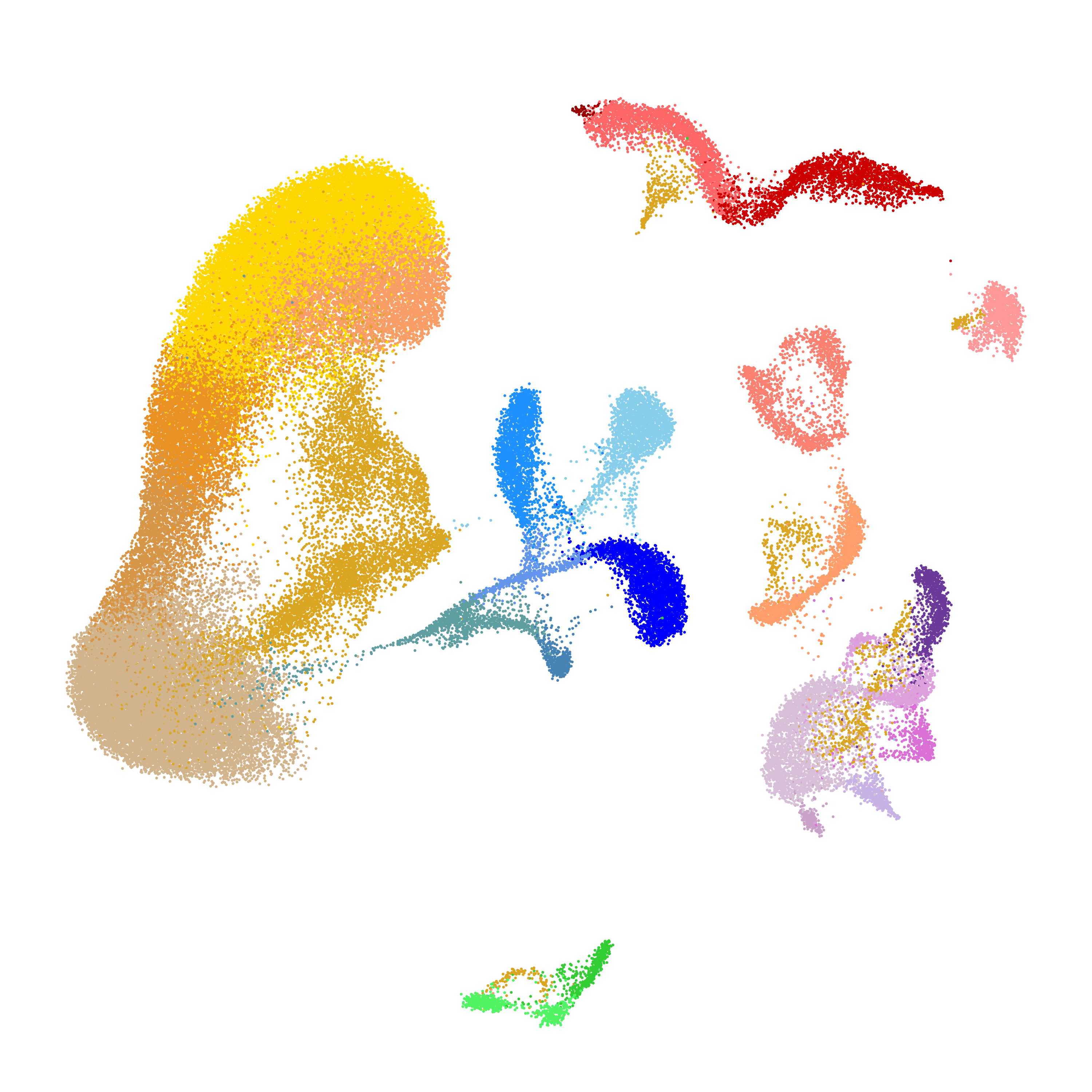
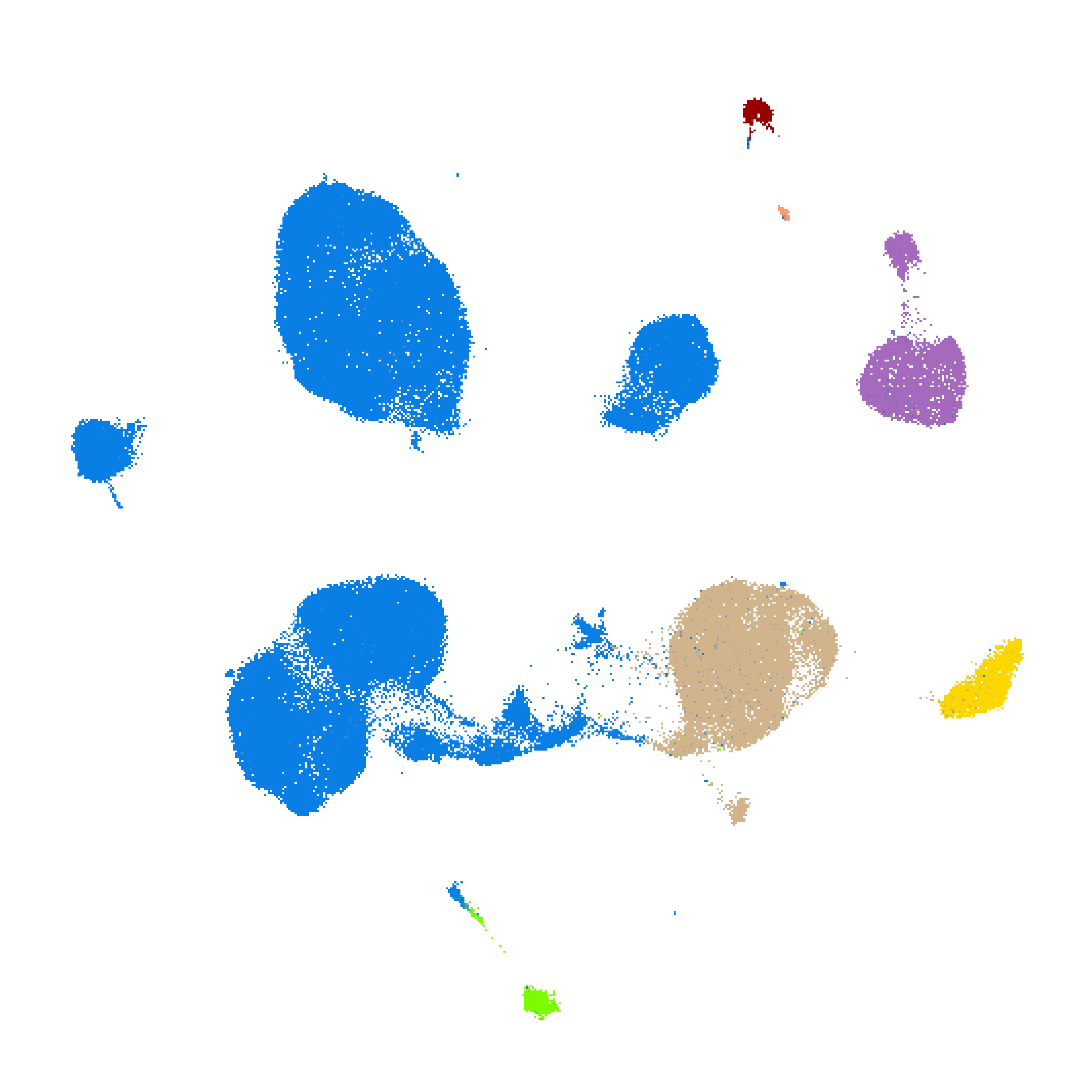
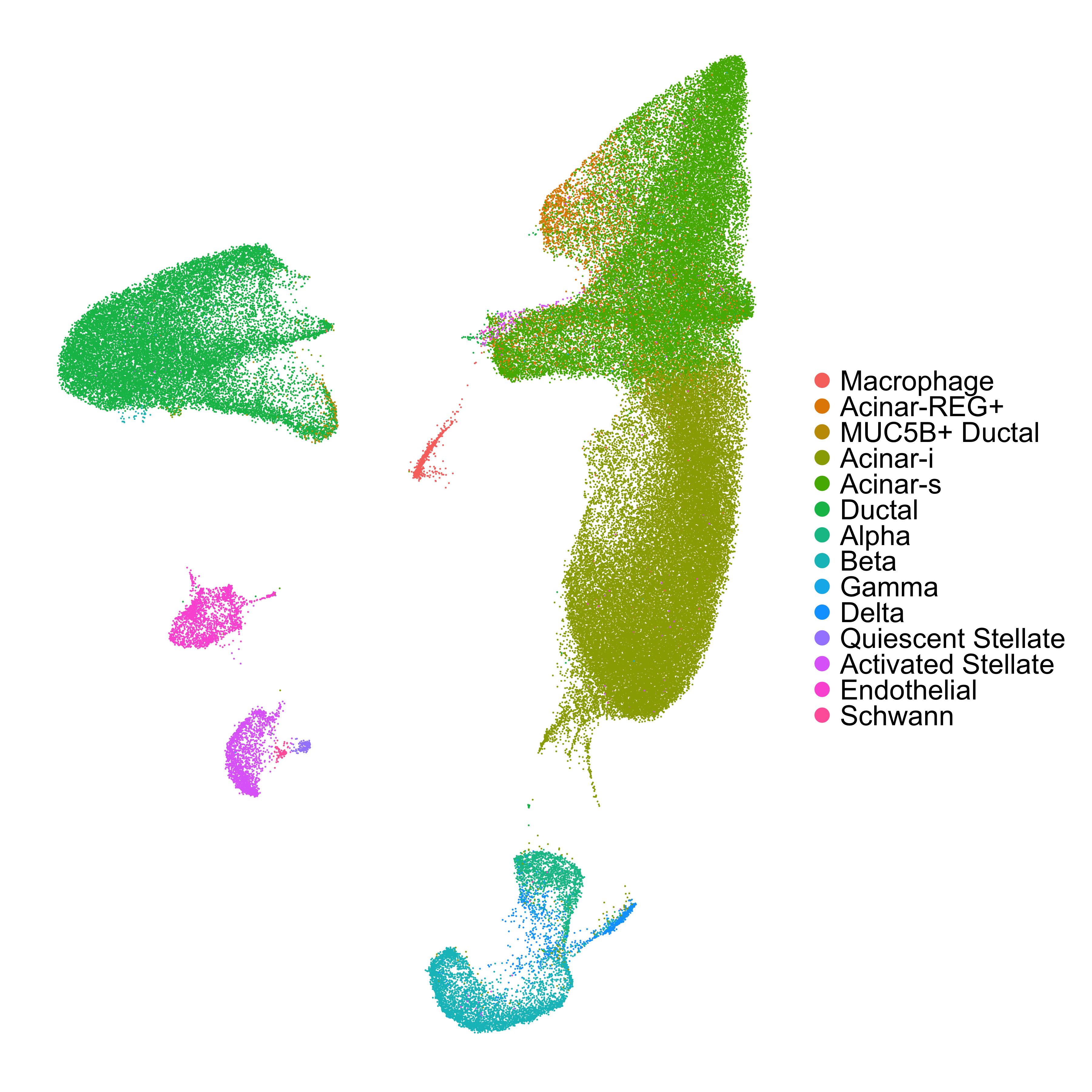
We created the first comprehensive atlas of human pancreas cells including epithelial and nonepithelial constituents, and uncovered 3 distinct acinar cell types, with possible implications for homeostatic and inflammatory processes of the pancreas. The comparison with neonatal single-nucleus sequencing data showed a different cellular composition of the endocrine tissue, highlighting the tissue dynamics occurring during development. By applying spatial cartography, involving cell proximity mapping through in situ sequencing, we found evidence of specific cell type neighborhoods, dynamic topographies in the endocrine and exocrine pancreas, and principles of morphologic organization of the organ. Furthermore, similar analyses in chronic pancreatitis biopsy samples showed the presence of acinar-REG+ cells, a reciprocal association between macrophages and activated stellate cells, and a new potential role of tuft cells in this disease. Our human pancreas cell atlas can be interrogated to understand pancreatic cell biology and provides a crucial reference set for comparisons with diseased tissue samples to map the cellular foundations of pancreatic diseases.
Krieger TG et al. 2021 Nat Commun
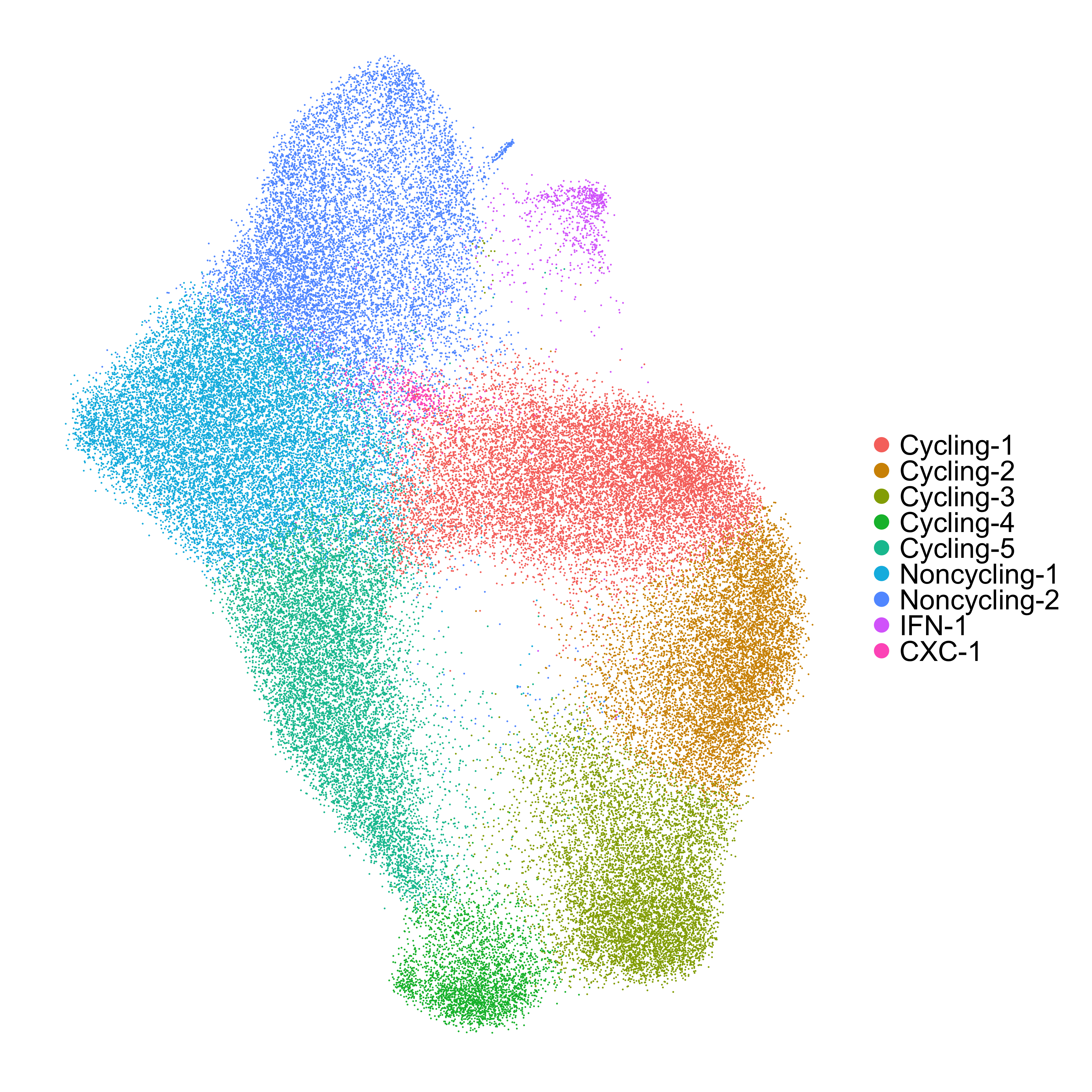
Pancreatic ductal adenocarcinoma (PDAC) is projected to be the second leading cause of cancer mortality by 2030. Bulk transcriptomic analyses have distinguished ‘classical’ from ‘basal-like’ tumors with more aggressive clinical behavior. We derive PDAC organoids from 18 primary tumors and two matched liver metastases, and show that ‘classical’ and ‘basal-like’ cells coexist in individual organoids. By single-cell transcriptome analysis of PDAC organoids and primary PDAC, we identify distinct tumor cell states shared across patients, including a cycling progenitor cell state and a differentiated secretory state. Cell states are connected by a differentiation hierarchy, with ‘classical’ cells concentrated at the endpoint. In an imaging-based drug screen, expression of ‘classical’ subtype genes correlates with better drug response. Our results thus uncover a functional hierarchy of PDAC cell states linked to transcriptional tumor subtypes, and support the use of PDAC organoids as a clinically relevant model for in vitro studies of tumor heterogeneity.
Chua RL et al. 2026 Thorax
Idiopathic pulmonary fibrosis (IPF) is a progressive interstitial lung disease with limited treatment options. Most single-cell studies rely on end-stage explant lungs, leaving early disease mechanisms poorly understood. Profiling earlier stages may reveal distinct cellular phenotypes that could be pharmacologically targeted. Recent evidence also implicates airway epithelial cells in IPF disease development and progression.
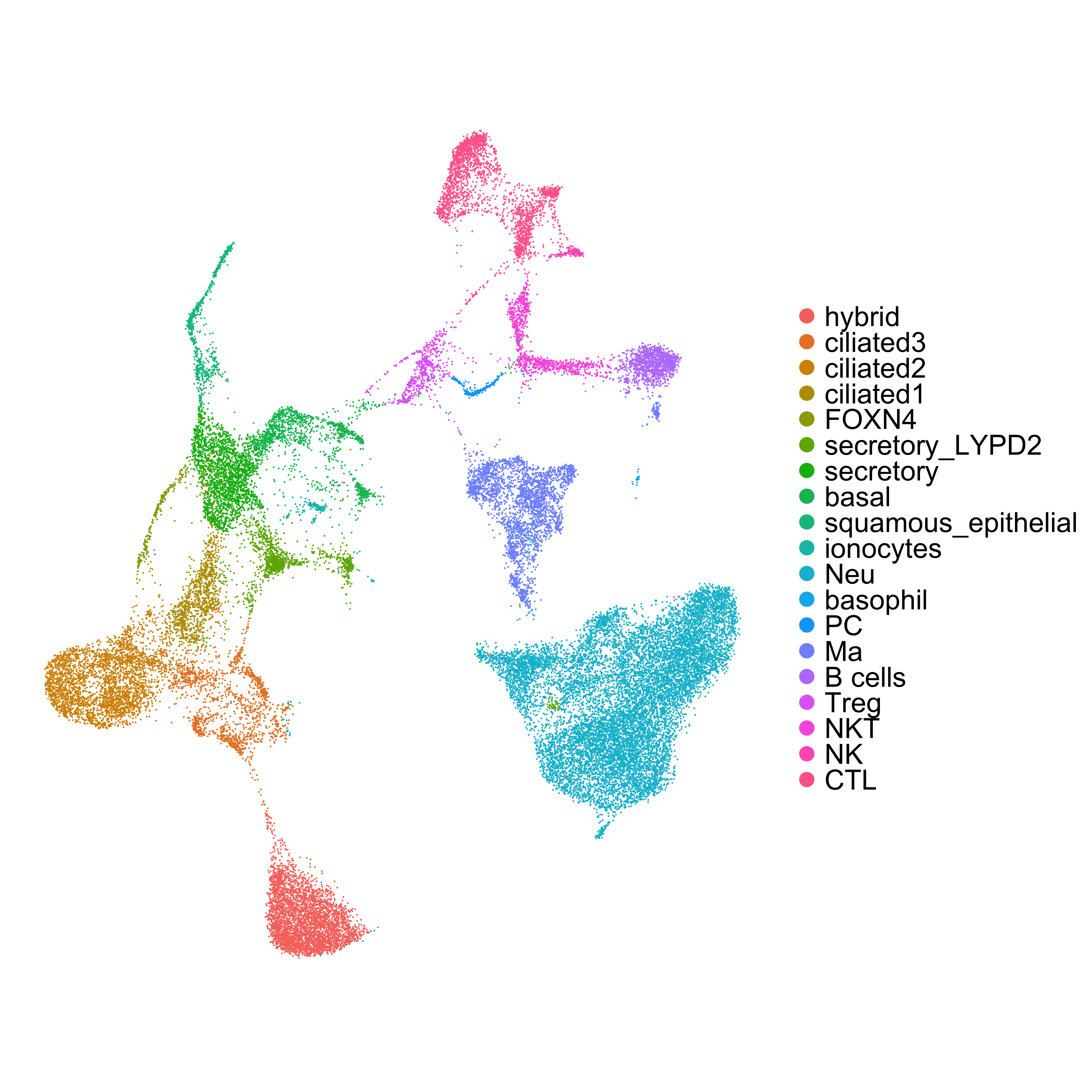
Lukassen S et al. 2020 EMBOJ
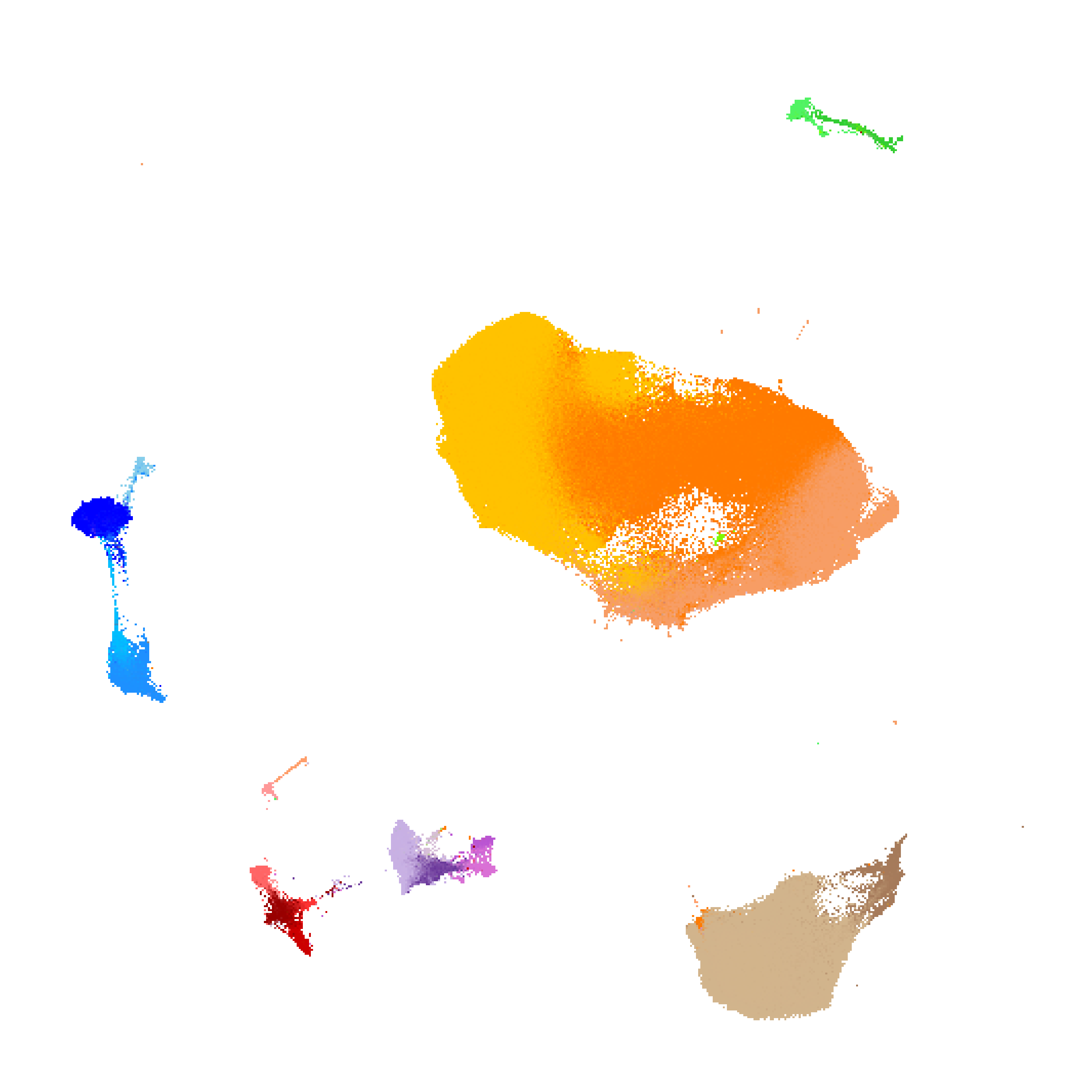
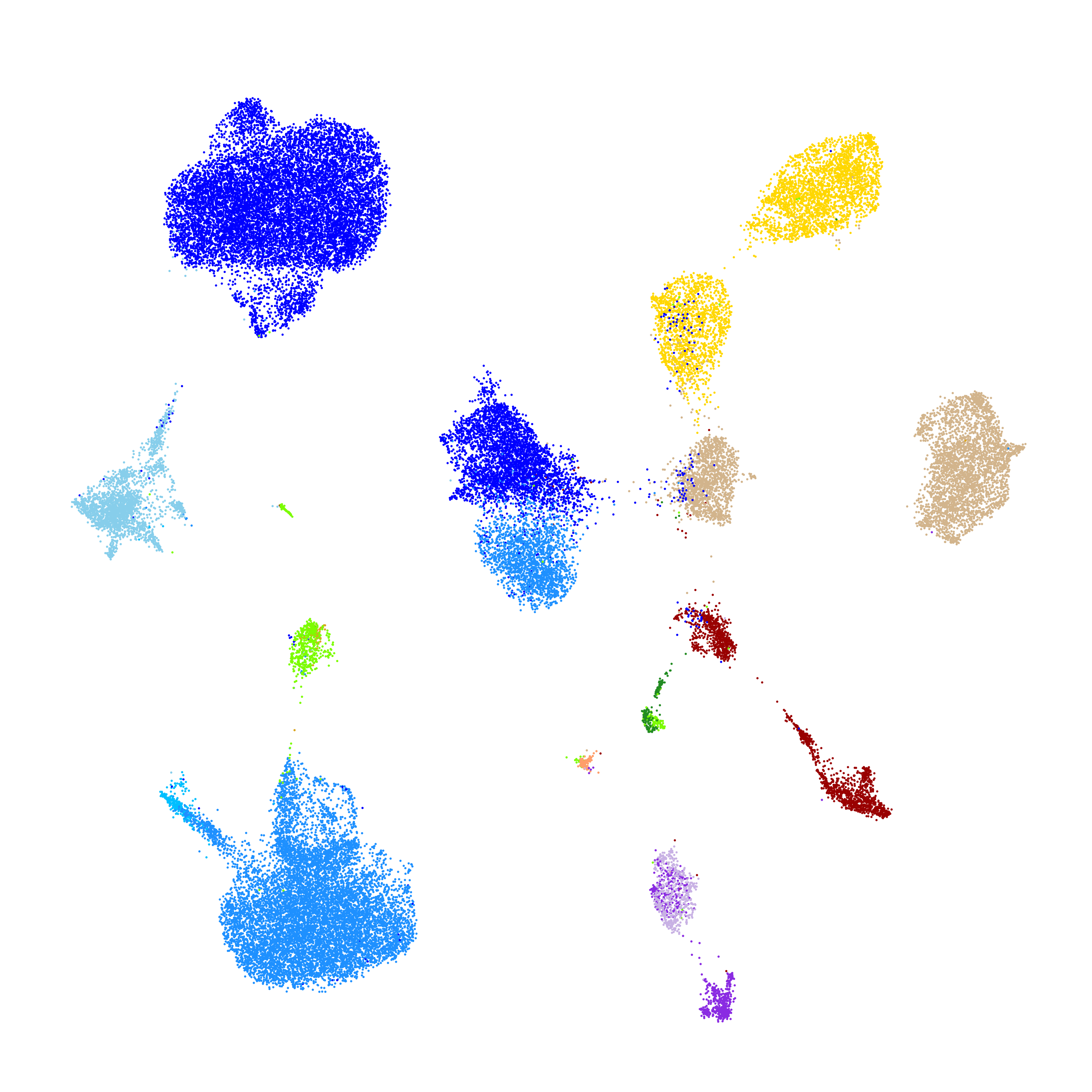
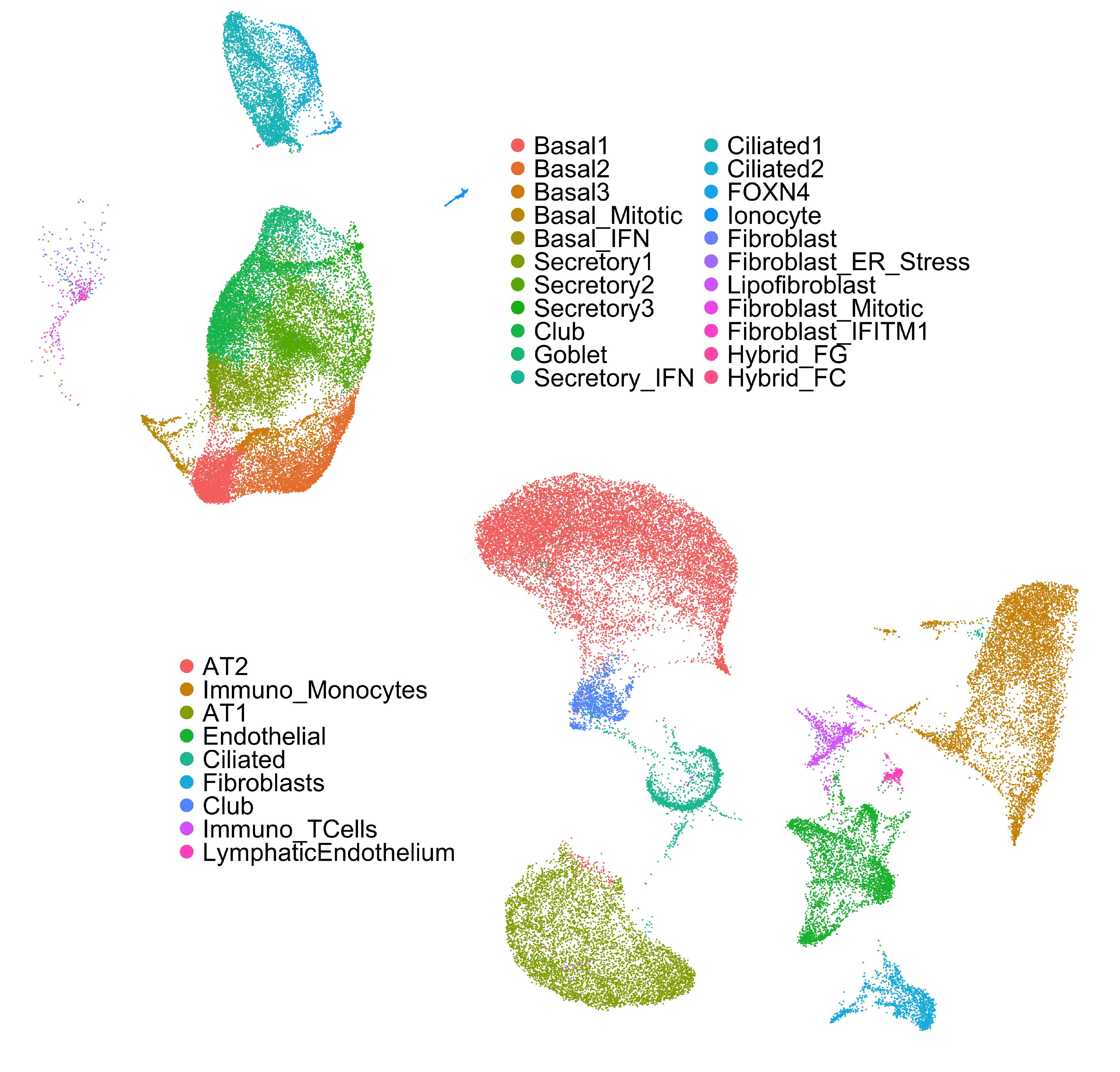
The SARS-CoV-2 pandemic affecting the human respiratory system severely challenges public health and urgently demands for increasing our understanding of COVID-19 pathogenesis, especially host factors facilitating virus infection and replication. SARS-CoV-2 was reported to enter cells via binding to ACE2, followed by its priming by TMPRSS2. Here, we investigate ACE2 and TMPRSS2 expression levels and their distribution across cell types in lung tissue (twelve donors, 39,778 cells) and in cells derived from subsegmental bronchial branches (four donors, 17,521 cells) by single nuclei and single cell RNA sequencing, respectively. While TMPRSS2 is strongly expressed in both tissues, in the subsegmental bronchial branches ACE2 is predominantly expressed in a transient secretory cell type. Interestingly, these transiently differentiating cells show an enrichment for pathways related to RHO GTPase function and viral processes suggesting increased vulnerability for SARS-CoV-2 infection. Our data provide a rich resource for future investigations of COVID-19 infection and pathogenesis.
Chua RL et al. 2020 Nat Biotechnol
To investigate the immune response and mechanisms associated with severe coronavirus disease 2019 (COVID-19), we performed single-cell RNA sequencing on nasopharyngeal and bronchial samples from 19 clinically well-characterized patients with moderate or critical disease and from five healthy controls. We identified airway epithelial cell types and states vulnerable to severe acute respiratory syndrome coronavirus 2 (SARS-CoV-2) infection. In patients with COVID-19, epithelial cells showed an average three-fold increase in expression of the SARS-CoV-2 entry receptor ACE2, which correlated with interferon signals by immune cells. Compared to moderate cases, critical cases exhibited stronger interactions between epithelial and immune cells, as indicated by ligand–receptor expression profiles, and activated immune cells, including inflammatory macrophages expressing CCL2, CCL3, CCL20, CXCL1, CXCL3, CXCL10, IL8, IL1B and TNF. The transcriptional differences in critical cases compared to moderate cases likely contribute to clinical observations of heightened inflammatory tissue damage, lung injury and respiratory failure. Our data suggest that pharmacologic inhibition of the CCR1 and/or CCR5 pathways might suppress immune hyperactivation in critical COVID-19.
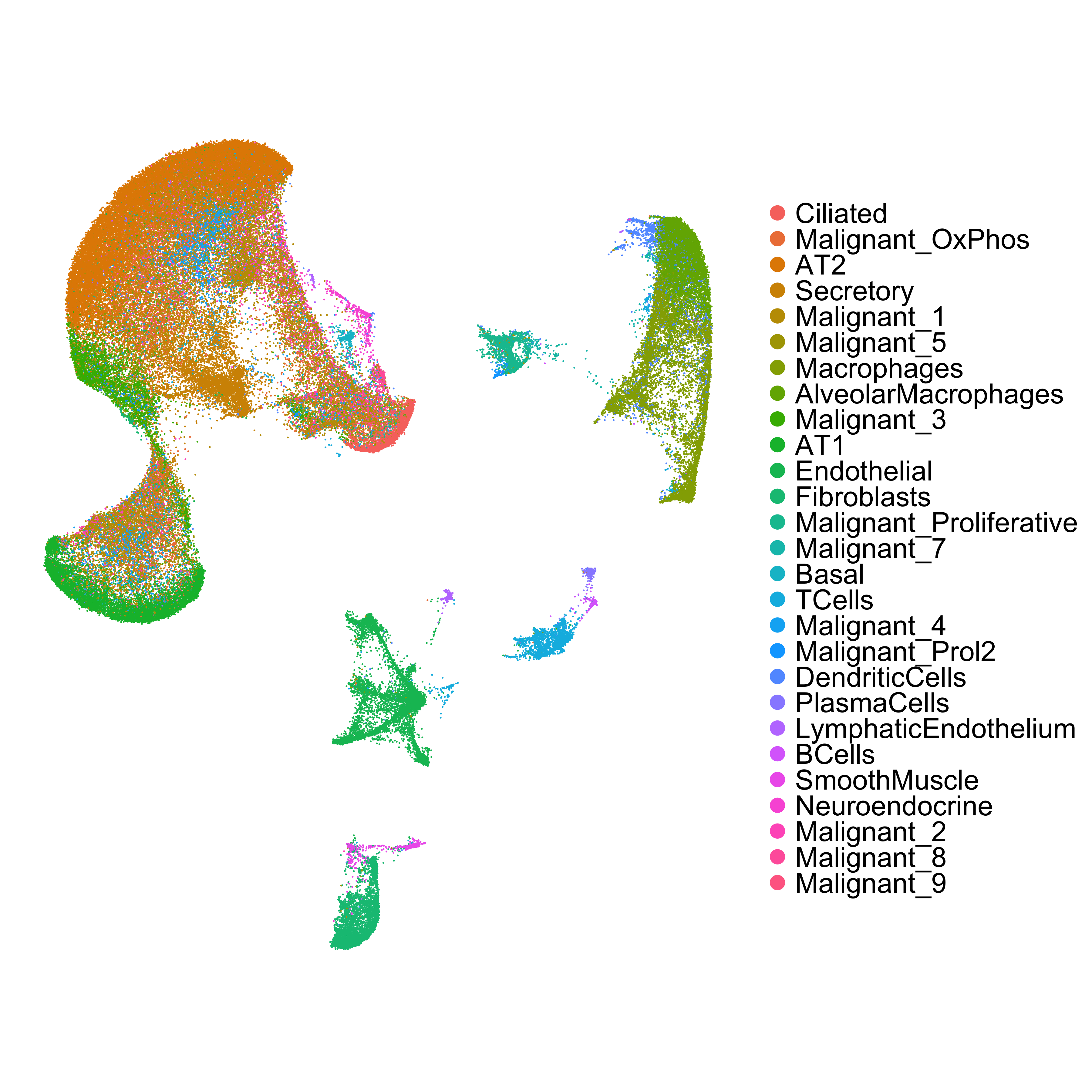
Trefzer T, Schneider M et al. 2022 Cancer Research
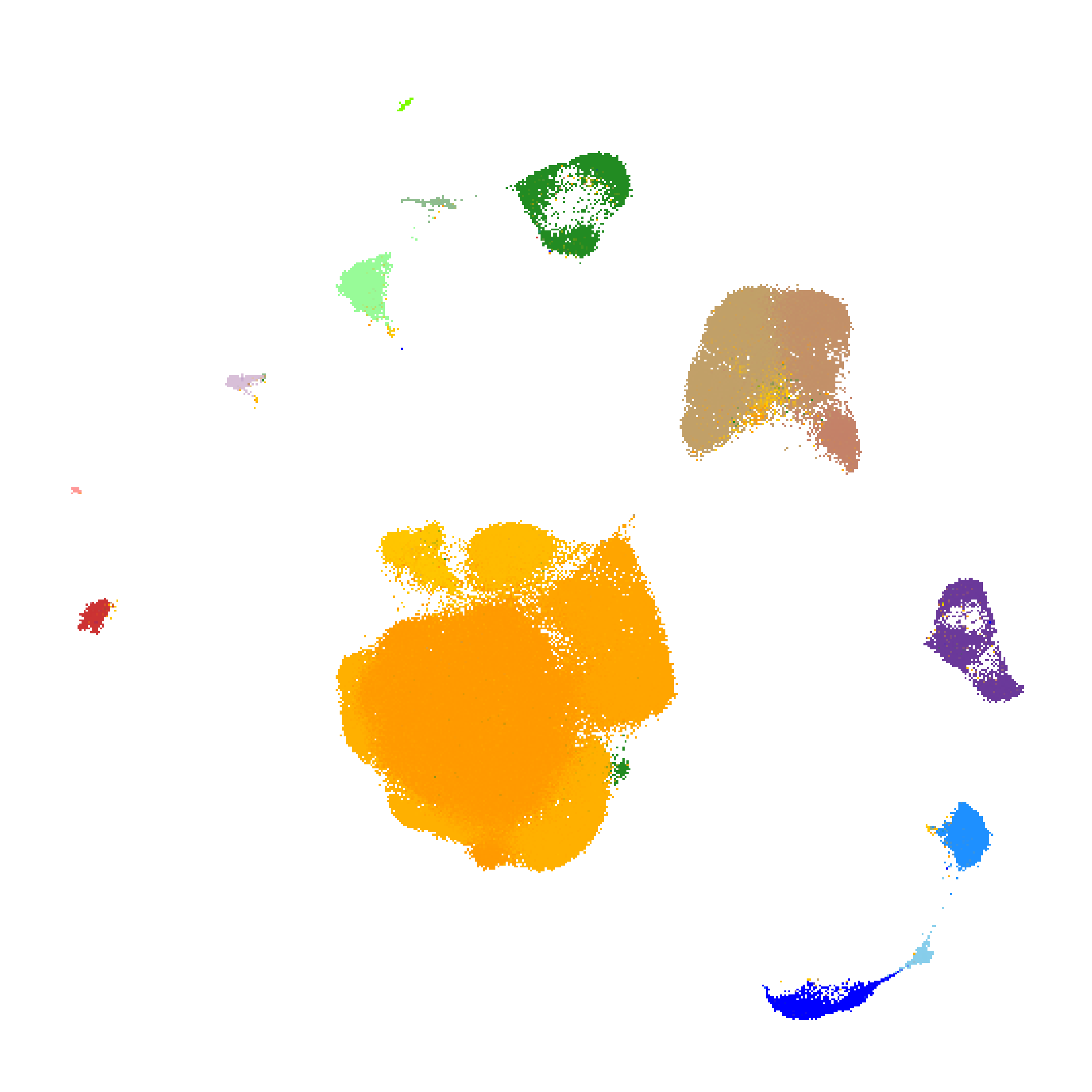
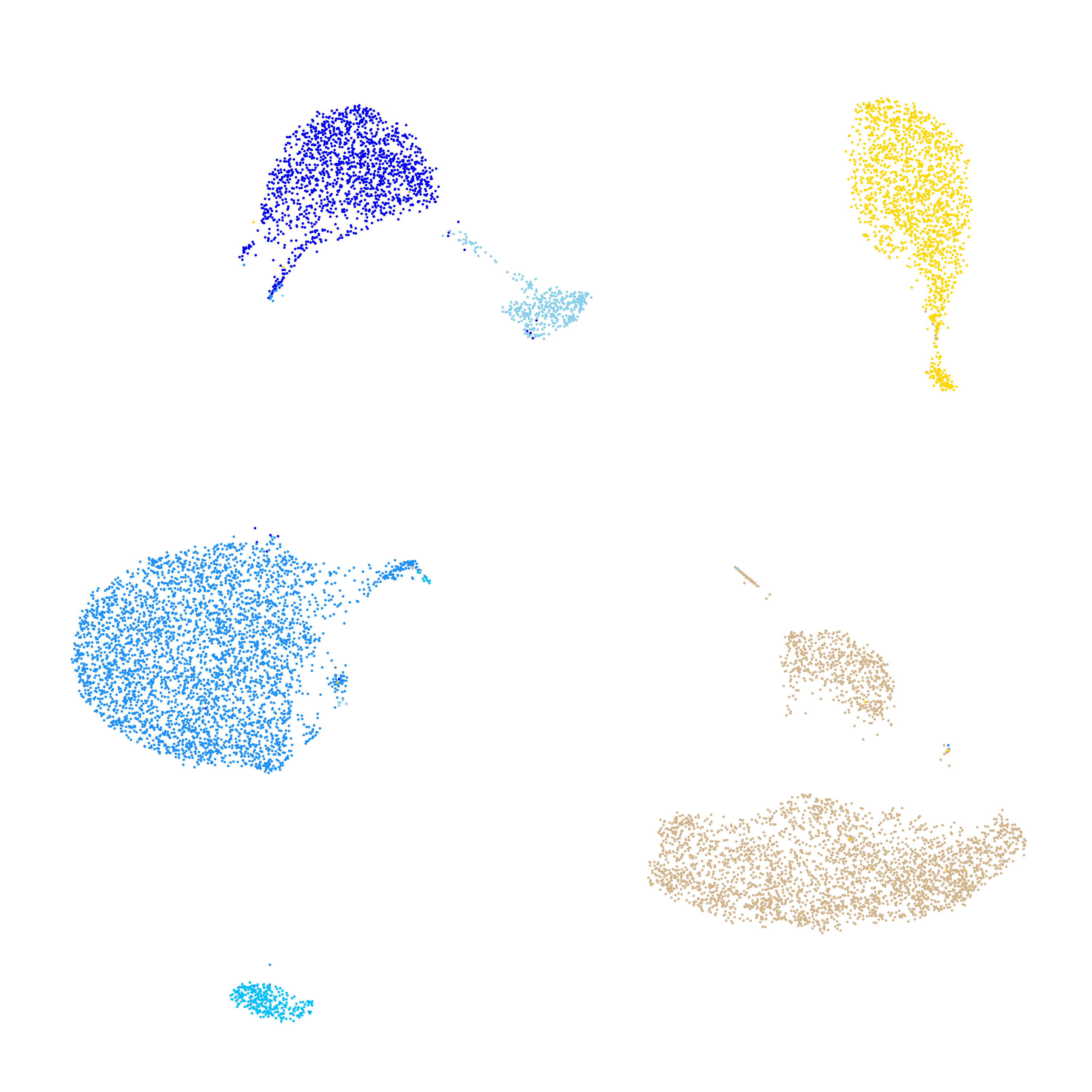
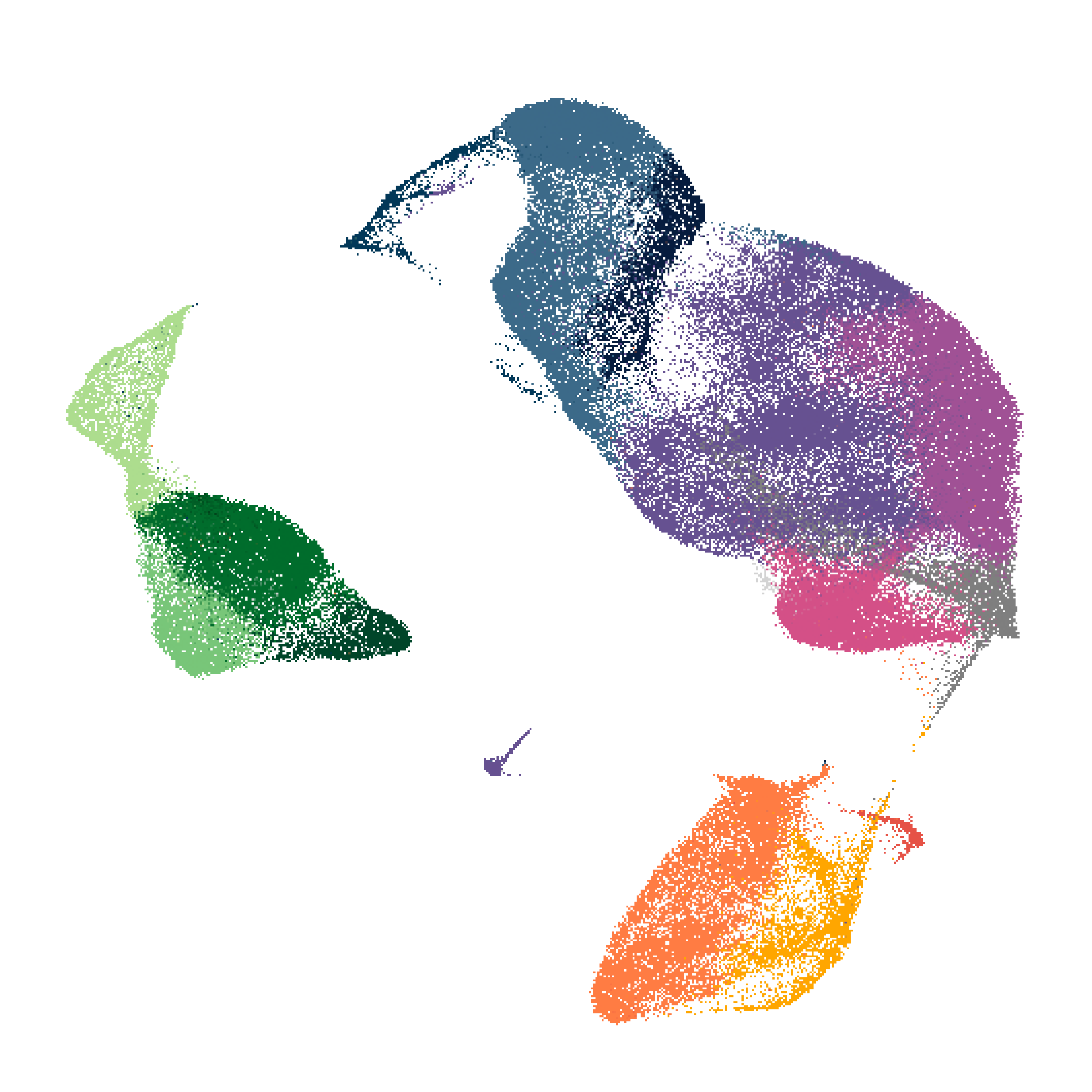
Lung cancer remains the leading cause of cancer-related death worldwide, despite declining smoking prevalence in industrialized countries. Although lung cancer is highly associated with smoking status, a significant proportion of lung cancer cases develop in patients who have never smoked, with an observable bias toward female never smokers. A better understanding of lung cancer heterogeneity and immune system involvement during tumor evolution and progression in never smokers is therefore highly needed. Here, we used single-nucleus transcriptomics of surgical lung adenocarcinoma (LUAD) and normal lung tissue samples from patients with or without a history of smoking. Immune cells as well as fibroblasts and endothelial cells responded to tobacco smoke exposure by inducing a highly inflammatory state in normal lung tissue. In LUAD, characterization of differentially expressed transcriptional programs in macrophages and cancer-associated fibroblasts provided insight into how the niche favors tumor progression. Within tumors, eight subpopulations of neoplastic cells were identified in female smokers and never smokers. Pseudotemporal ordering inferred a trajectory toward two differentiated tumor cell states implicated in cancer progression and invasiveness. A proliferating cell population sustaining tumor growth exhibited differential immune modulating signatures in both patient groups. Collectively, these results resolve cellular heterogeneity and immune interactions in LUAD, with a special emphasis on female never smokers.
For any questions please get in touch with the corresponding authors of the respective study or visit our lab website or institutional website.